
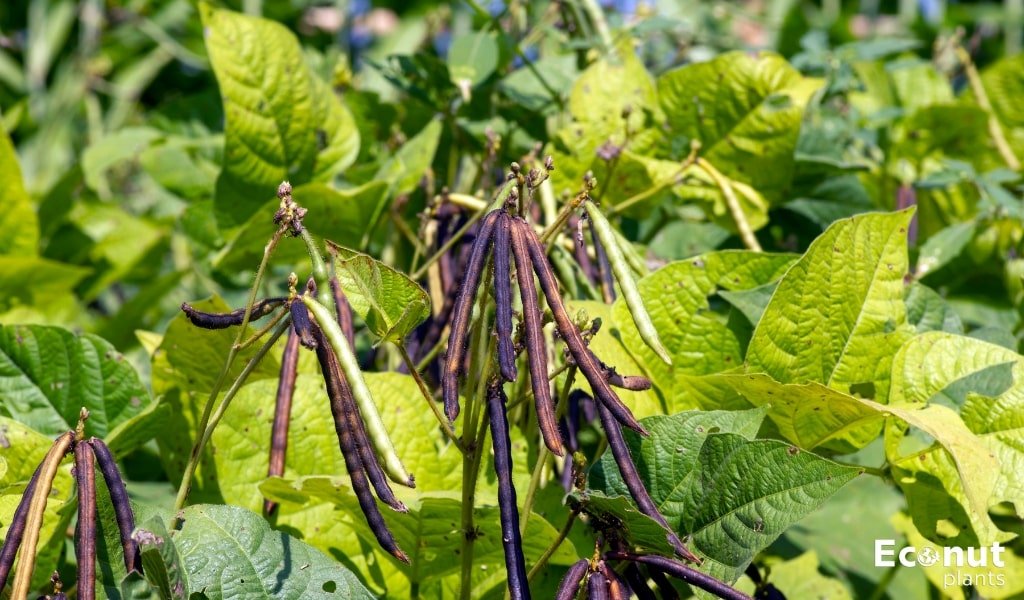
Mung beans are cultivated for human and animal consumption and are prized for their high protein and iron content.
Red Lily Varieties: 15 Types for Your Flowerbeds

The red lily alone won’t cause it to turn into a lily. The lily group must include the genus Lilium. Many names for flowers begin with the word “lily.”
20 Plants to Grow with Watermelon as a Companion
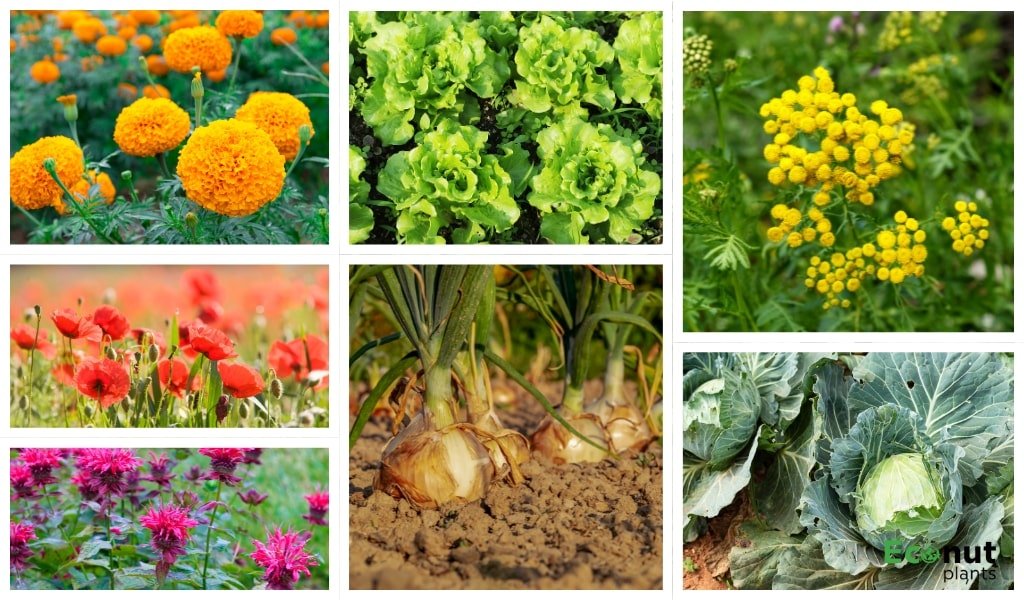
One of the most harmonious plants for your garden is the watermelon, which gets along well with a wide variety of crops. Most likely, this is the reason they appear in lists of companion plants.
21 Different Ferns Types for Indoor Garden
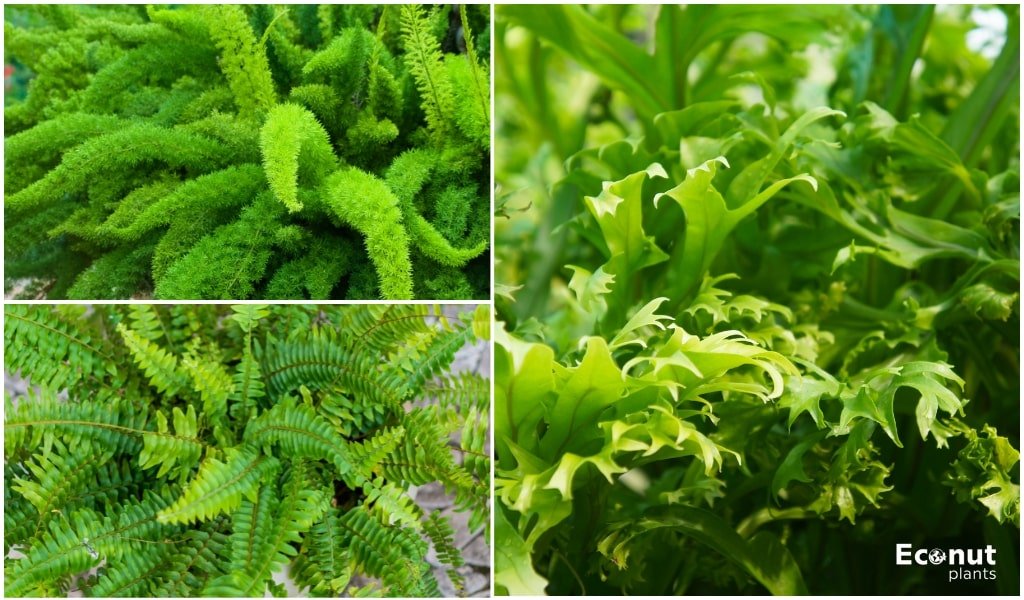
Ferns are prized for their lovely leaves and capacity to grow in low light. Numerous varieties of ferns, especially those native to tropical and semi-tropical areas, are suitable for indoor cultivation.
Glacier Pothos Plant Growing & Caring Information and Tips
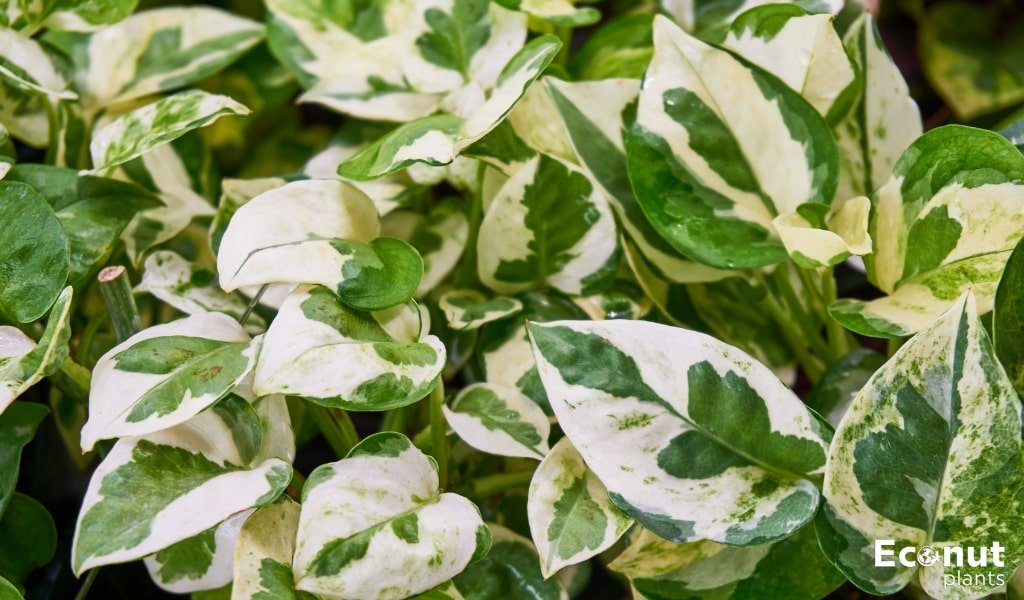
The glacial pothos, a beautiful green and white pothos type, is cultivated by the same people that grow the well-known marble queen pothos.
15 Plants to Grow with Lavender as a Companion

Lavender is a popular woody perennial that is often seen in vegetable and flower gardens. Its fragrant purple blossoms draw pollinators and beneficial insects, making it a great companion plant.
Pearls and Jade Pothos Plant: A Guide to Growing, And Care
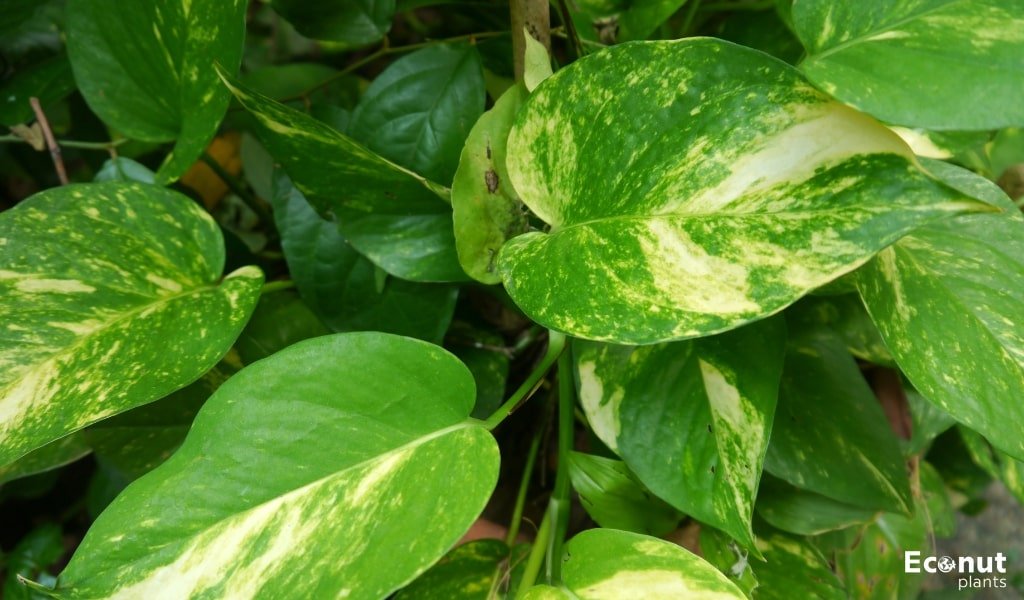
Pearl and jade pothos leaves are variegated, with cream, white, and grey streaks. Traditionally, they are shown as hanging baskets or little potted plants.
25 Yellow-Flowered Shrubs and Trees for Your Yard

Shrubs with Yellow Flowers many gardeners like to plant given that yellow is arguably the happiest colour; it makes sense that.
Perfectly Guidance for the How to Grow & Care N’Joy Pothos
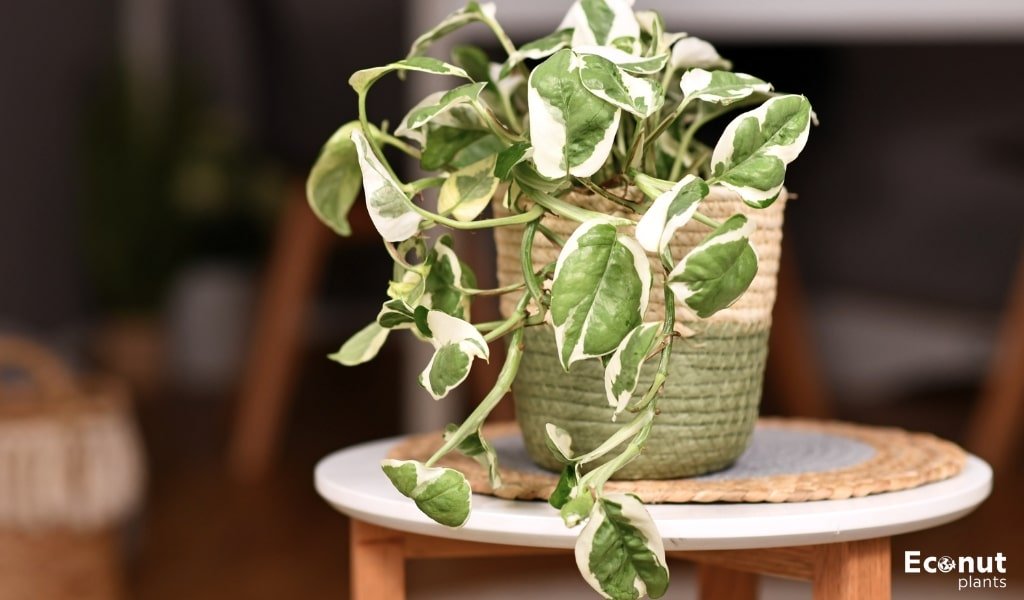
Are you trying to find a gorgeous and low-maintenance indoor plant? The exquisite N’Joy pothos plant will add vitality and colour to any space with its delicately variegated leaves.
7 Reasons for the Holes in the Leaves of Your Roses
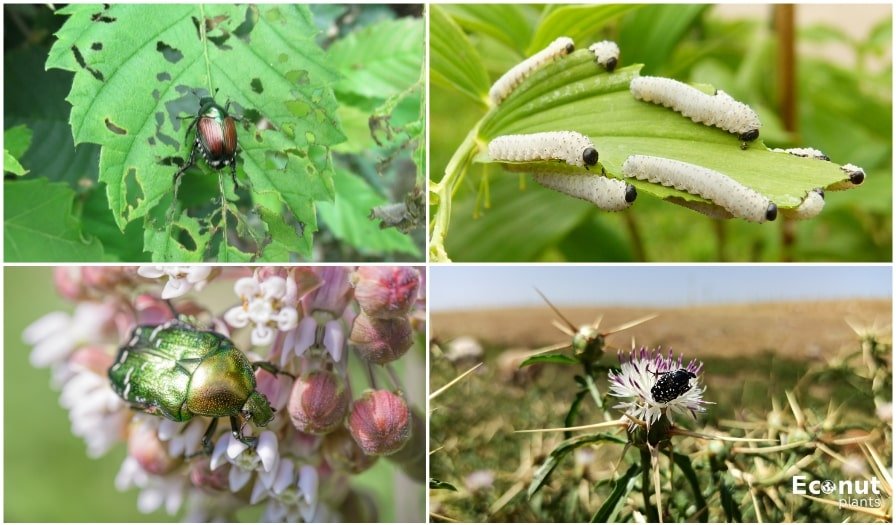
Have you noticed any holes in the leaves of your roses? Rose leaves that have been munched on are not uncommon, but who is usually to blame?