
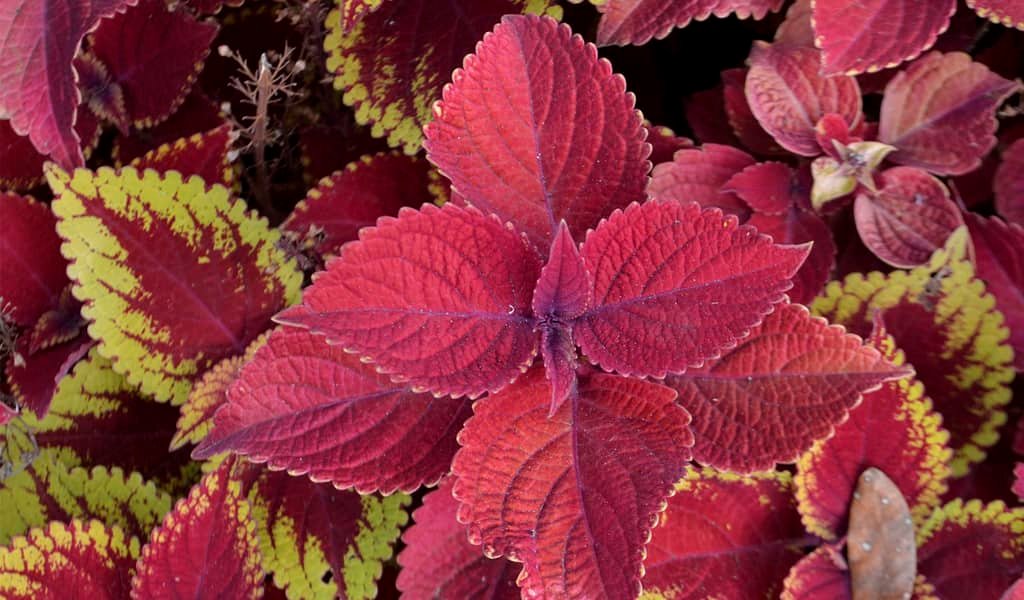
Coleus is an outdoor plant, belonging to the genus of perennial herbs or shrubs. The colourful leaves of this plant are green, red, orange, pink, purple and yellow-blue in shape and size with small, different patterns on the edge of the leaf.
Plants
Gaura plant Care Guide: Growing Information and Tips
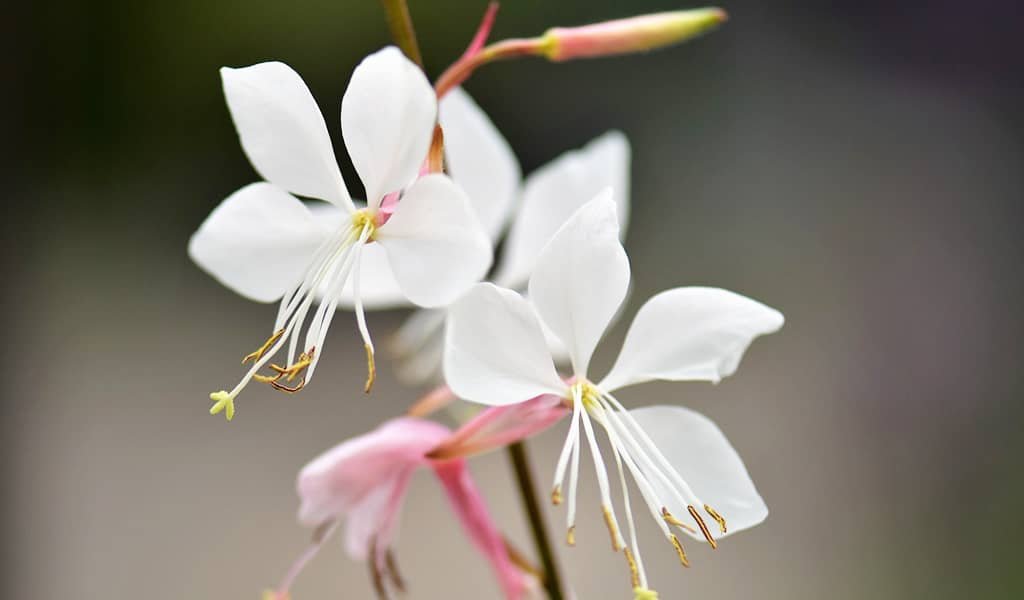
Gaura is a genus of flowering plants. You can grow gaura indoors from seed or you can plant it directly in the garden as a small plant. Gaura is a perennial herbaceous plant that often forms dense thickets.
Coneflower Care Guide: Growing Information and Tips
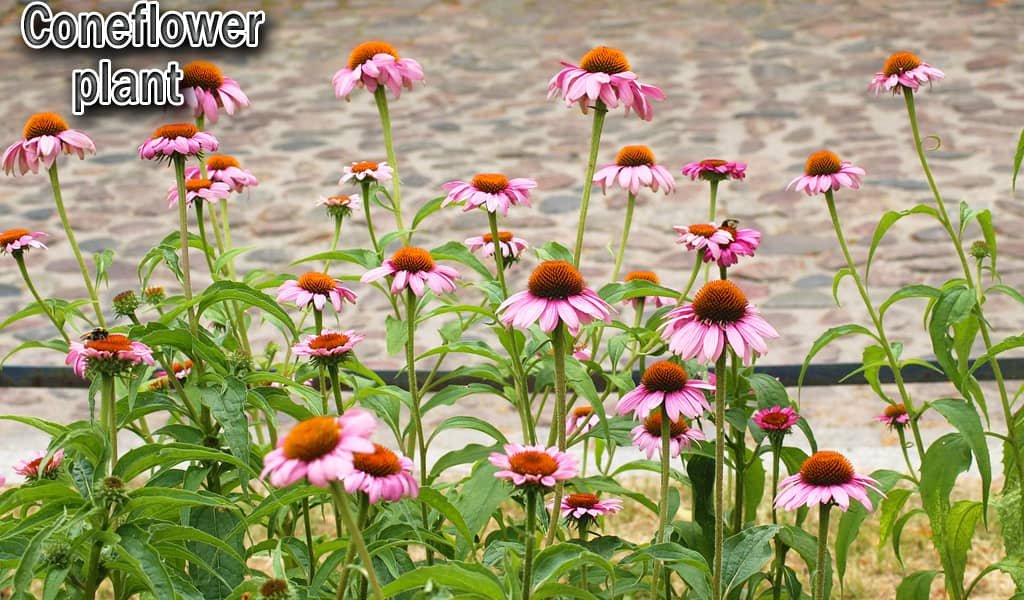
Coneflower is a genus of herbaceous flowering plants in the daisy family, also commonly known as Echinacea. This plant is mostly found in eastern and central North America.
10 Types of Purple Flowers: Complete List with Names, Pictures, Growing & Caring Tips

Purple flowers are more attractive. Here is information about purple flowers of different plants. A judicious use of colors is essential to make the garden attractive and stylish, with purple flowers being the most popular.
Bleeding Heart Flowers: An incredibly fragrant flowering plant.
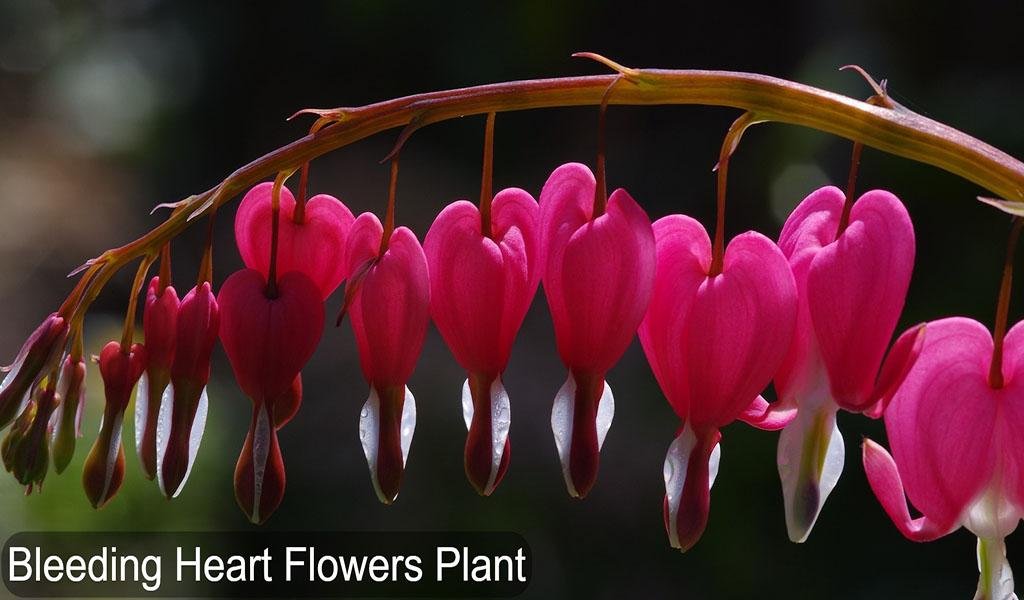
Permanent herbaceous plants of the Papaveraceae family also include bleeding-heart flowers.
Corn Plant: How To Grow & Care

Dracaena fragrans (cornstalk dracaena) is a flowering plant native to tropical Africa, blooming in highlands at around 600-2,250 m (1,970-7,380 ft) in height. It also goes by striped dracaena, compact dracaena, and corn plants.
Lobelia Plant: An Outdoor Plant

Lobelia is a plant that flowers genus with 415 varieties found mainly in tropical to warm temperate parts of the world, with a few species extending into cooler temperate zones. They are frequently called lobelias.
New Guinea Impatiens: An Indoor Plant

New Guinea impatiens bloom abundantly in any sunny garden area.
Texas Sage Plant: How To Grow & Care

The Texas sage is a slow-growing shrub that can take up to two years to fully mature and continuously bloom.
Vinca Minor Plant: Tips For Growing & Caring.

Vinca Minor is a trailing sub-shrub that forms enormous clonal clusters by spreading along the ground and roots along the stems, sometimes scrambling up to 40 centimeters (16 in) high but never twining or ascending.