The Liriodendron Tulipifera is a large, majestic deciduous tree that is indigenous to eastern North America. It is also known as the tulip tree or yellow poplar.
This normally reaches a height of 60 to 90 feet and has a pyramidal to broad cone form.


The Liriodendron Tulipifera is a large, majestic deciduous tree that is indigenous to eastern North America. It is also known as the tulip tree or yellow poplar.
This normally reaches a height of 60 to 90 feet and has a pyramidal to broad cone form.
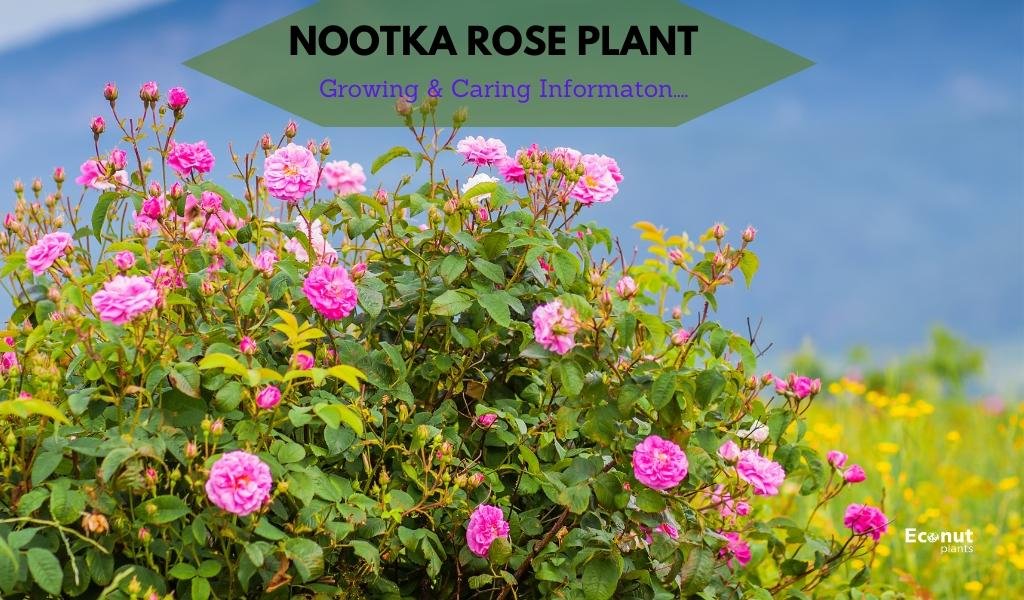
The Nootka Rose is a bristle rose, also known as wild rose. It is a 0.6–3.0-meter-tall perennial shrub of the rose family Rosaceae. Nootka roses can be found from southern Alaska to the coast of northern California; Montana to the north and east and northern New Mexico to the south.

The Oyster Plant is a common, lovely, and compact houseplant that may also be cultivated outside in warm areas. It is also commonly known as Tradescantia Spathecea.
Long, lance-shaped, dark green leaves with a glossy, purple underside make up its foliage.

The Kochia Scoparia is an attractive ornamental plant or invasive species. There are several common names for it, such as ragweed, summer cypress, mock-cypress, belvedere, blazing bush, Mexican firebush, and Mexican fireweed.
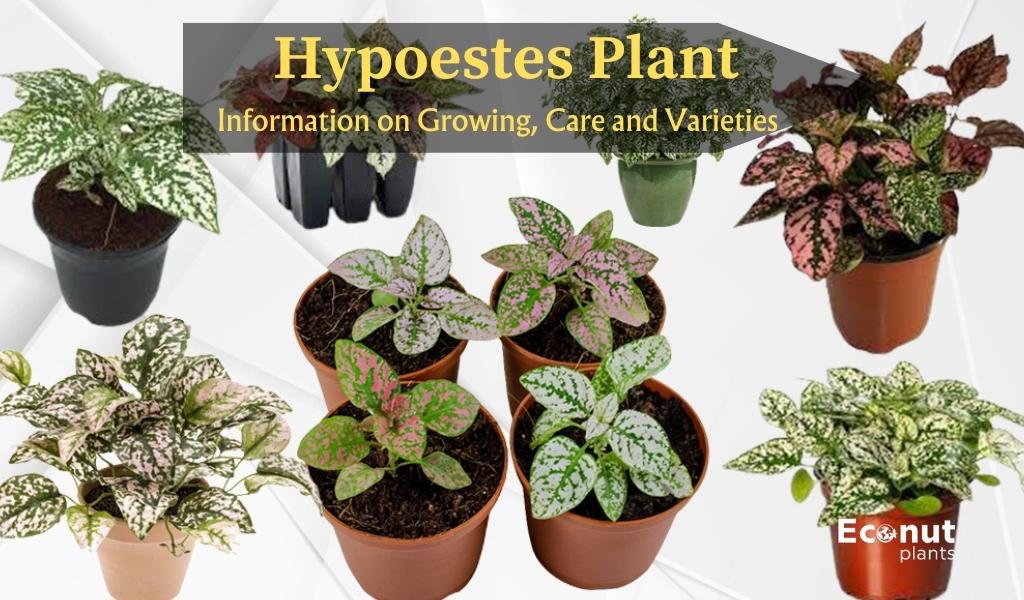
The Hypoestes is a species of flowering plant in the Acanthaceae family, native to South Africa, Madagascar and Southeast Asia. It’s a common house plant that is raised for decorative purposes.

The Coffee Plant is a pretty miniature with glossy green leaves and a confined growth pattern. It makes a surprisingly decent indoor plant in a pot.
The Coffee belongs to the family of flowering plants called Rubiaceae.

The Arizona cypress (Cupressus arizonica), is an evergreen conifer tree. This tree is a wonderful choice for xeriscapes and other types of desert landscaping.
If the root system has had time to spread and penetrate, it can withstand less water. Instead of needles,

The Kalanchoe genus has more than 100 plant species, however only a few of them are often seen in cultivation. While some Kalanchoe species are shrubs and others are annuals, perennial herbaceous plants make up the majority of the genus.

